
What Is a PPR Stop Valve and Where Is It Used?
A PPR stop valve is a shut-off and flow-regulating valve installed on PPR water supply lines — most commonly on branch lines feeding faucets, toilets, and appliances — allowing service without shutting down the whole system.
The Quick Answer
A stop valve lets you isolate and control a single fixture or branch. Where a ball valve is a main-line on/off switch, a stop valve is a local control point — turn it to shut water to one faucet or toilet for repair, or adjust it to fine-tune flow. It is the valve you see under sinks and behind toilets in most modern plumbing systems.
Function: Shut-Off & Flow Regulation
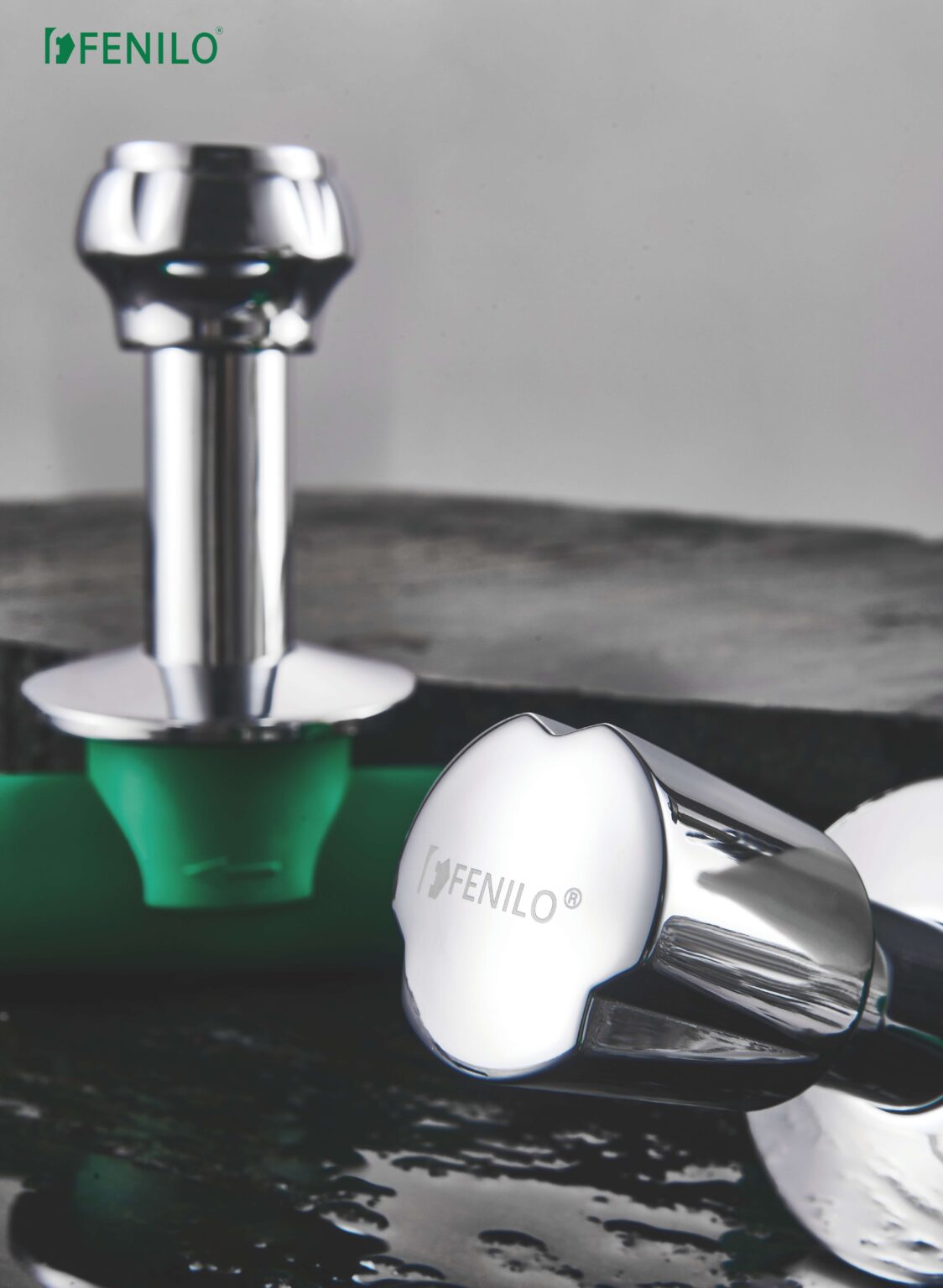
Types of PPR Stop Valves
| Type | Design | Best For |
|---|---|---|
| Straight stop valve | In-line body | Fixture branches, appliances |
| Angle stop valve | 90° body | Compact wall/fixture connections |
| Brass-core stop valve | Metal internal parts | Higher pressure, durability |
Where Stop Valves Are Used
- Under sinks — isolate hot/cold supply to the faucet
- Behind toilets — shut water to the toilet for service
- Appliances — washing machines, dishwashers, water heaters
- Bidets and showers — individual fixture isolation
- Branch lines — isolate rooms or zones without main shut-off
Stop Valve vs Ball Valve
The practical difference: a ball valve gives fast, full on/off; a stop valve gives gradual, adjustable flow. Ball valves suit main isolation where full flow and quick shut-off matter. Stop valves suit fixture control where adjustment and local isolation matter. Many systems use both — ball valves on mains, stop valves at fixtures. Both are available in full-PPR and brass-core versions.
Installation Notes
PPR stop valves install by heat fusion like any PPR fitting. Key considerations: install the valve in an accessible location (under-sink cabinets, service panels), orient the handle for easy operation, and for angle valves position the outlet correctly. When fusing, open the valve partially to prevent heat damage to the seal. Verify the valve’s PN rating matches the pipe class. Fenilo manufactures PPR stop valves in straight and angle configurations.
How to Choose
FAQ
What is a PPR stop valve used for?
A PPR stop valve isolates and controls a single fixture or branch — turning water off to a faucet or toilet for maintenance, or adjusting flow to a fixture.
What is the difference between a stop valve and a ball valve?
A stop valve offers gradual flow adjustment; a ball valve offers fast full on/off. Stop valves suit fixture control; ball valves suit main-line isolation.
Where is a stop valve installed?
Under sinks, behind toilets, at appliances (washers, heaters), and on branch lines — anywhere local shut-off or flow adjustment is needed.
Can a stop valve regulate flow?
Yes — unlike a ball valve’s on/off action, a stop valve can be set to partially open positions for smooth flow adjustment and balancing.